Wine doesn’t start in a bottle; it starts in the vineyard, often under the stars. Night-harvested wine is more than a romantic image, it’s a practice rooted in precision and quality.
By picking grapes in the cool hours before dawn, winemakers preserve delicate aromatics, improve balance, and respect the natural rhythm of the vine.
While many overlook what time of day the fruit was picked, those who have tasted wines born from nighttime harvests understand the difference.
Why Harvest at Night?
Grapes are sensitive. As soon as they’re picked, chemical changes begin. In the heat of the day, fruit can become overly warm, leading to premature fermentation, sugar spikes, and loss of aromatic complexity. Nighttime offers cooler conditions—typically 50-60°F—that slow these reactions.
This cooler fruit arrives at the winery in a stable, firmer state. It holds its structure better during sorting, crushing, and pressing. The result is juice with preserved acidity, clearer aromatics, and a more vibrant profile overall.
The Impact on Wine Quality
Night-harvested wine often reveals itself in the glass through brighter fruit notes, more pronounced acidity, and a balanced, lifted mouthfeel.
Picking in cooler conditions helps protect the grape’s aromatic compounds, those volatile elements responsible for floral, citrus, and fresh fruit tones that are easily lost to heat. By the time the fruit reaches the press, it’s cooler, more stable, and easier to work with.
This allows winemakers to focus on nuanced expression rather than corrective intervention. Wines crafted from these cooler grapes tend to reflect their vineyard origins with greater clarity.
These cooler temperatures also impact fermentation. Grapes brought in during the night enter the winery at lower temperatures, allowing for a more controlled and gradual fermentation process. This stability helps prevent stuck fermentations and reduces the need for artificial cooling systems.
For many producers, this translates to cleaner wines with fewer off-aromas and better aging potential. The structure is often more integrated, and the natural acidity preserved at harvest becomes a defining feature of the wine.
Varietals That Shine With Night Harvesting
Not all grapes demand a night harvest, but many of the world’s most nuanced wines benefit from it. These include:
- Pinot Noir – Its thin skin and low tannin require gentle handling. Cool harvest preserves its finesse.
- Sauvignon Blanc – Highly aromatic and prone to oxidation, it holds its freshness better when picked cool.
- Chardonnay – Especially for sparkling or mineral-driven styles, night harvesting protects delicacy.
- Grenache and Syrah – In warm regions, early-morning picking controls sugar and keeps alcohol levels balanced.
The decision often depends on the vineyard location, grape sensitivity, and the winemaker’s intent.
A Practice Rooted in Sustainability
Night harvesting isn’t just about flavor. It also supports sustainable vineyard management. Cooler temperatures reduce the need for mechanical cooling at the winery, saving energy. Workers benefit too; night shifts can be safer and more comfortable than laboring in the midday sun.
Additionally, the slower pace of night work often allows for more deliberate picking. Teams can make selective passes, focusing on clusters at peak ripeness and leaving the rest to develop further.
For wineries that prioritize precision and environmental care, night harvesting checks every box: quality, energy savings, and human-centered farming.
Is Night-Harvested Wine Better?
“Better” is subjective, but many winemakers and sommeliers agree: grapes picked at night offer a clear edge when finesse, freshness, and consistency matter. It’s not a shortcut or a marketing gimmick, it’s a craft decision.
Consumers who explore night-harvested wine often report brighter, more expressive bottles. These wines tend to show their origin more transparently, offering a clearer view of the vineyard, the vintage, and the winemaker’s touch. For those who prefer wines with crisp acidity, layered aromatics, and a clean finish, night-harvested selections often stand out.
How to Identify and Taste Night-Harvested Wines
While not every winery highlights this practice on the label, many boutique producers and premium brands now emphasize night harvesting in their storytelling. If you’re curious to explore:
- Ask your local wine merchant or sommelier for night-harvested selections
- Look for producers who emphasize hand-harvesting and vineyard care
- Try side-by-side tastings with similar wines harvested during the day
Notice the difference in acidity, aroma, and finish. Many tasters describe night-harvested wines as livelier, more aromatic, and more balanced.
When Technique Meets Terroir
Great wine is always a sum of its choices, from vineyard location to cellar decisions. Night harvesting may not be the only factor, but it plays a pivotal role in honoring what the land gives.
For those who believe that wine should reflect the vineyard with clarity and intention, night-harvested wine stands out. It’s a reminder that small decisions—like picking under moonlight—can yield extraordinary results.
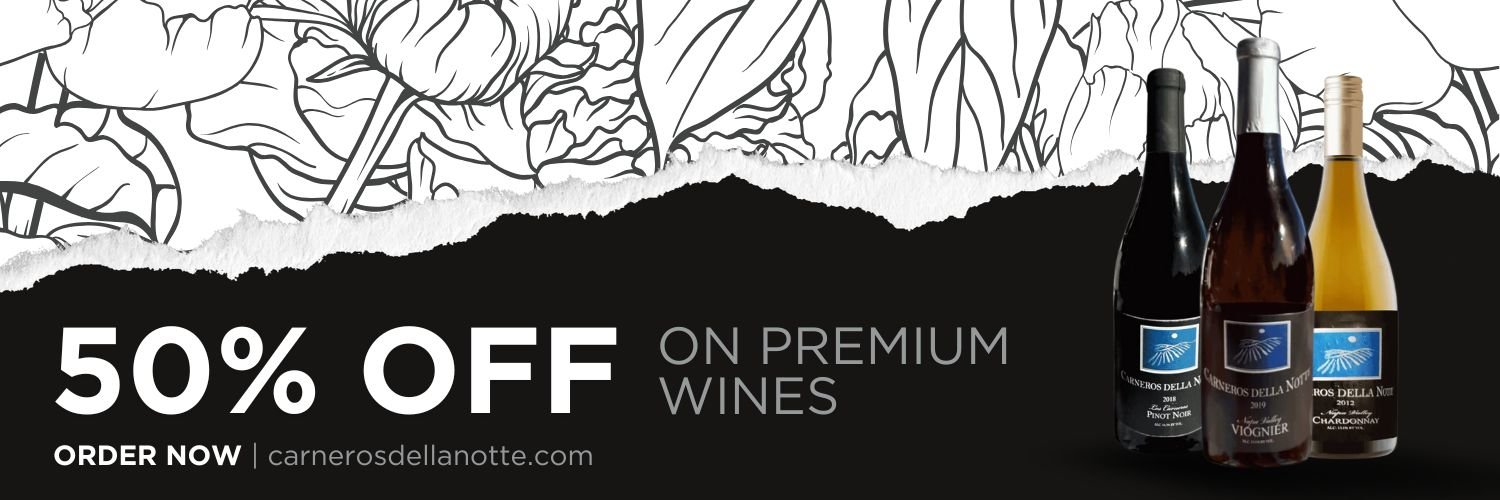
Curious to experience wine made under starlit skies? Explore selections from producers like Carneros della Notte, who believe in harvesting with the rhythm of nature and crafting wines that speak clearly from the first sip. Their commitment to nighttime precision captures the full vibrancy and balance of each vintage.