When you uncork a bottle, you are not just opening a drink. You are releasing decades of land, climate, hands in the soil, and hands in the barrel.
Each bottle holds a history, a geography, and a set of people who tended vines, crushed grapes, aged wine.
These are the wine stories that bring depth to what you taste. In Napa and beyond, those stories matter; they invite you to sip with context and curiosity.
The Vineyard as Prologue
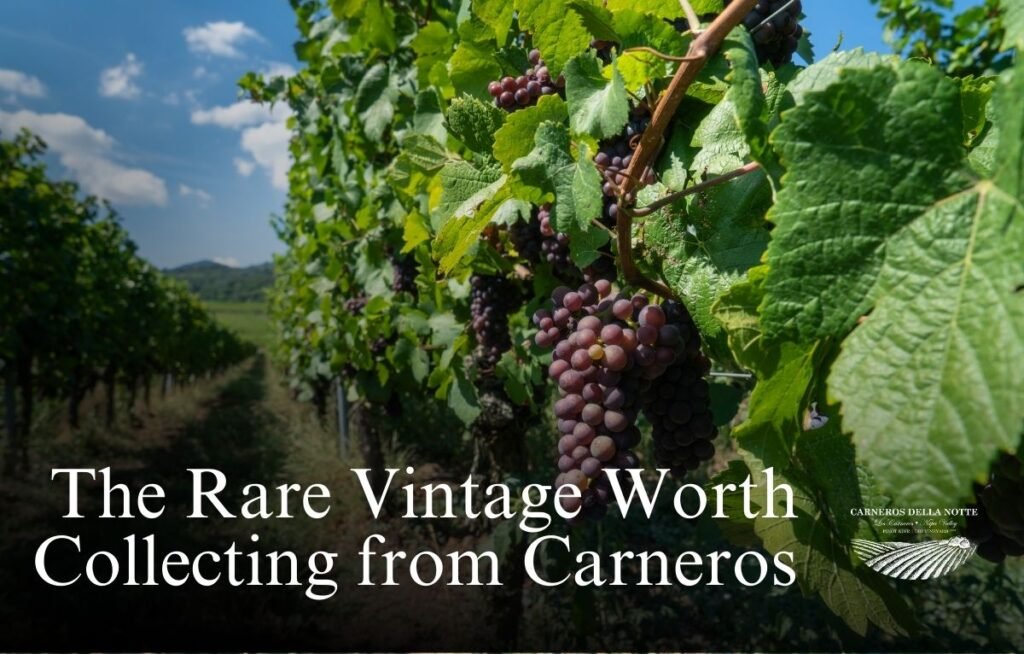
A vineyard writes its opening lines through soil and climate. Tufa, clay, gravel, volcanic loam, all contribute texture and voice.
A vintage’s rainfall, summer heat, spring frost become chapters in that year’s narrative.
When a winemaker selects a block of age‑old vines, she commits to accepting every twist in that plot: nutrient shifts, disease pressure, microclimate differences.
In each glass, you taste that negotiation between nature and nurture. That is the first layer of a wine story.
What elevates the story is intent. Some winemakers choose biodynamic practices that follow lunar cycles; others lean into minimal intervention.
These decisions guide the tone of the story from the very beginning.
Vineyards in Napa’s Carneros region are known for their fog-kissed mornings and marine breezes, details that read clearly in a Pinot Noir or Chardonnay raised on that land.
The prologue of any wine story is as much about place as it is about philosophy.
The People Behind the Grape
Grapes don’t tell stories on their own. They need people who care.
The farmer who gently prunes, the cellar worker who tastes juice every day, the cooper who shapes barrels, all are characters. Even the choice to ferment in concrete or in oak adds voice.
In Napa, many small producers speak of legacy families, of land passed from one generation to the next. Their pride and risk become part of the wine’s signature.
So when you sip, think: it isn’t merely fruit and tannin. It is decades of decisions, sweat, mentorship, trial and error.
In newer wineries, innovation becomes part of the narrative. Young winemakers bring global training, blending Old World styles with California terroir.
You might find a Bordeaux-trained vintner experimenting with extended skin contact for whites, or a UC Davis graduate pioneering native fermentation.
These stylistic risks are chapters that add tension, drama, and sometimes triumph.
Aging as a Middle Chapter
Once fermentation ends, aging begins. That stage sculpts the arc.
Oak barrels, amphora, stainless steel—each method frames aroma, texture, acidity.
A wine aged in French oak may carry cedar or smoke notes. One aged sur lies might gain richness and envelope the palate in texture.
Consider this miniature guide to aging choices:
- New oak vs used oak: higher oak influence or subtler nuance
- Neutral vessels (concrete, stainless) for purity and brightness
- Blended vessels or radical amphora for signature twist
Each method is a narrative choice. And vintages differ: a wet year might respond differently to oak than a dry year. That complexity is central to wine stories.
Time also plays a powerful role. A young wine might be vibrant and tightly wound.
Let it age, and it opens up; layers unfold, structure softens, tertiary flavors emerge.
This transformation mirrors personal growth. Wine, like people, changes with time, revealing new depths.
The Bottle’s Epilogue
Once bottled, the wine carries its story forward. Cellaring matters. The light, the vibration, the temperature, each factor can shift its direction.
Some bottles age gracefully for decades. Others peak early, then fade.
When you open a vintage after ten years, you are turning the page of that story. You listen for how tannins softened, how fruit deferred, how aromas matured.
That moment of opening is when you become part of the story. You carry forward what came before and add your own impressions to the arc.
This is also where shared experience matters. One bottle poured at two tables can tell two different stories. A celebratory toast may highlight its fruit, while a quiet dinner might draw out its depth.
Wine clubs, vertical tastings, and cellar swaps are ways to engage with this stage of a wine’s life.
They offer the chance to follow a wine’s evolution across time and settings, and to share your version of the story with others.
Reading the Tale in the Glass
When you swirl, smell, sip, you interpret. You read for dark fruit, earth, spice, oak influence. You listen for tension, evolution, harmony.
Here are cues to notice that tie back to origin and process:
- Minerality or earthiness pointing to soil type
- Spice, cedar, smoke from oak regimen
- Structure and acidity from canopy and climate
- Texture and depth from aging decisions
Those notes are sentences in a narrative. With practice, your palate learns to distinguish geography from ferment, barrel from vintage. That skill turns tasting into storytelling.
Some wines are immediate, easy to read and enjoy. Others require patience and second sips.
And in that complexity, your palate becomes part of the conversation. The wine offers a story, and you decide how to hear it.
Your Place in the Story
The phrase wine stories echoes in each bottle you try.
From the soil beneath the vine to the cooper’s toast, from cellar aging to your glass, you become part of the narrative.
At Carneros della Notte, we honor every chapter: our vineyards, our vintners, our commitment to telling Napa’s story in every pour.
May your next glass inspire you to explore not just the flavor but the full story behind it.